One of the most common diseases of the male genitourinary system is chronic prostatitis.As medical practice shows, every twelfth sexually mature man suffers from this disease, while in approximately 40% of cases it is diagnosed in patients aged 20 to 40 years.Bringing physical suffering to its owner, chronic prostatitis usually causes deterioration in the patient's general condition, interfering with their normal sexual and social activity.What is the nature of this disease, how to avoid an unpleasant diagnosis - and how favorable are the treatment prognoses if you are among those affected?

Causes of chronic prostatitis
Chronic prostatitis is a prolonged inflammatory process in the prostate, accompanied by pain and discomfort in the pelvic region, urinary disorders and pathologies of male sexual function.
Prerequisites for the occurrence of chronic prostatitis may be infections, prostate congestion, benign hyperplasia, or a combination of these factors.There are several possible routes for the infection to enter the prostate:
- with blood flow from foci of infection present in the body (pneumonia, caries, pustular skin lesions, sinusitis, etc.);
- with the influx of lymph from other organs (with dysbiosis, hemorrhoids, inflammatory bowel diseases, etc.);
- through the urethra, sexually (one of the consequences of infectious urethritis).
Non-infectious or non-bacterial prostatitis is diagnosed 8 times more often than bacterial prostatitis;Its occurrence is based on congestive processes and circulatory disorders in the prostate and adjacent organs.
Among the main reasons for stagnation of secretions in the prostate, urologists identify the following:
- irregular sex life, prolonged abstinence;
- defective ejaculation, interrupted sexual intercourse;
- sexual arousal often unfulfilled.
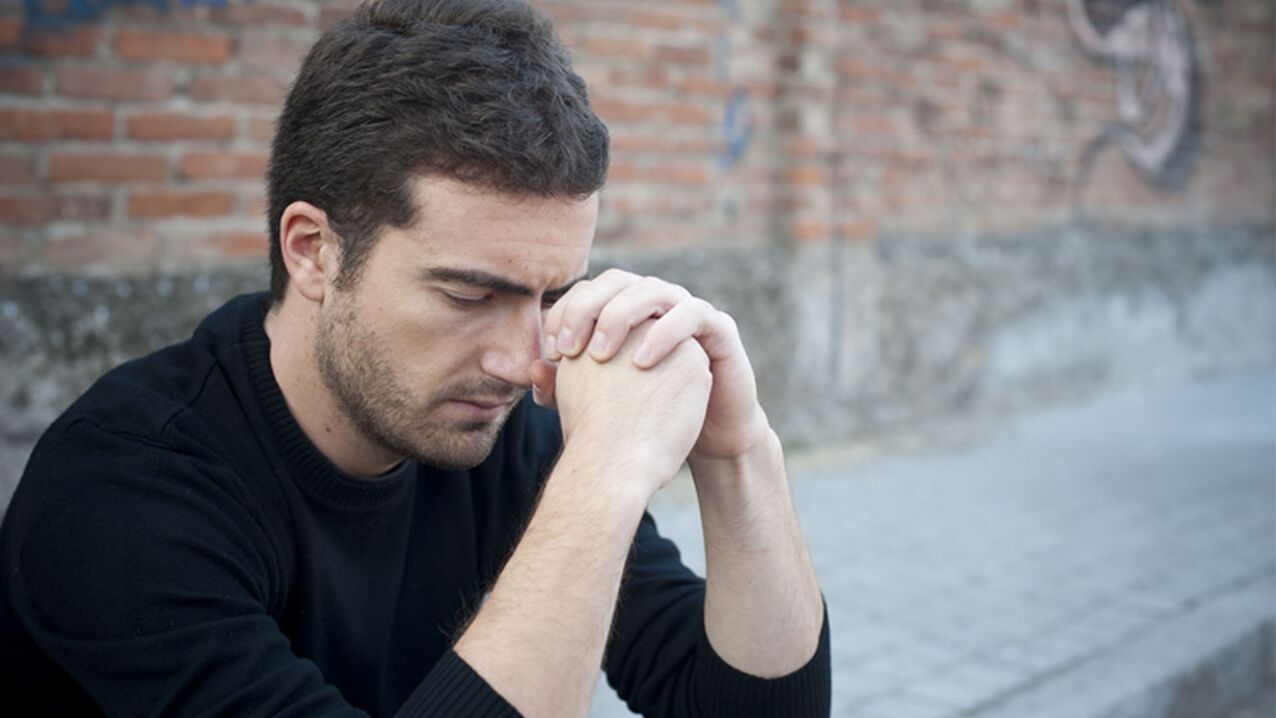
The risk of chronic prostatitis increases in men with reduced physical activity, with severe or mild, but regular hypothermia, prolonged exposure to stress, as well as in those who suffer from alcoholism.
Main signs of the disease
Chronic prostatitis occurs as a result of lack of timely treatment or ineffective treatment of acute prostatitis and is a slow-acting inflammatory process in the prostate gland.
In most cases, as it is asymptomatic, the disease is usually detected in patients only during a medical examination, which is why it is recommended that every man consult a specialist regularly to check for the presence of urological diseases.However, the so-called “latent” stage of chronic prostatitis can switch to the acute phase after the man has suffered stress, inflammatory disease, as a result of hypothermia, disruption of intimate life, etc.
- increased sweating, especially manifested in the perineal region;
- itching or discomfort in the groin area;
- frequent urge to urinate, pain when urinating, urinary retention;
- discharge of prostate secretions through the external opening of the urethra after urinating or defecating;
- slight increase (up to 37.5) in body temperature;weakness, sleep and performance disorders;
- sexual dysfunction (unstable or weak erection, decreased libido, rapid ejaculation, orgasm disorders, pain in the pelvic region during ejaculation, etc.);
- pain of varying severity and intensity in the perineum, lumbosacral region, external genitalia
Taken together, these symptoms of chronic prostatitis can lead to nervous system disorders, characterized by neurotic states with the patient focused on their well-being.
Possible consequences of chronic prostatitis if left untreated
Unlike acute prostatitis, chronic is characterized by an alternation of wavy, periodic exacerbations and relatively long remissions, during which a man can feel absolutely healthy.It is the patient's lack of contact with a specialist that causes the development of the inflammatory process.
If the inflammation spreads to the genitourinary system, complications in the form of cystitis or pyelonephritis are likely, with possible transformation into urolithiasis.But most often, the result of advanced chronic prostatitis is vesiculitis (inflammatory disease of the seminal vesicles) or orchiepididymitis (inflammation of the testicles).Both diseases can lead to intractable infertility and sometimes irreversible damage to male reproductive function.
One of the most serious results of chronic prostatitis is the formation of scars in the prostate tissue with shrinkage of the organ.This process often spreads to the back of the urethra and bladder, which leads to a persistent interruption in the outflow of urine.
The situation is significantly aggravated by the combination of the disease with prostate adenoma, which is most often found in men who have crossed the 50-year mark.By disrupting the flow of the prostate, the adenoma causes the progression of chronic prostatitis, therefore, if the patient has an indication for surgical removal of a benign tumor, it must be preceded by treatment for prostatitis.
Diagnosis, methods and prospects for treating the disease
The initial consultation with the doctor consists of collecting information about the main symptoms of the disease, followed by a general examination, rectal examination and collection of secretions from the patient's prostate.Another diagnostic measure to make an accurate diagnosis is a transrectal ultrasound examination.
Before starting treatment, a patient with chronic prostatitis must undergo a urine culture examination and study prostate secretion for the sensitivity of the flora to antibacterial drugs, in order to optimize the treatment method.
Modern medicine practices the following methods, traditionally used in combination, of treating chronic prostatitis:
- Antibiotic therapy.The use of antibacterial drugs is necessary to eliminate pathogenic bacterial flora that cause inflammation.The effectiveness of treatment directly depends on the correct selection of drugs, since if not all microorganisms are destroyed during therapy, sooner or later the disease will make itself felt again.For this reason, the patient must complete the course of antibiotics in full, without interruptions or other violations of medical recommendations.
- Physiotherapy.Prostate massage is one of the most effective components of treatment in the complex of such procedures.The essence of prostate massage is as follows: the effect on the gland helps to squeeze the inflammatory secretion accumulated in it into the ducts and then into the urethra.At the same time, it improves the quality of blood flow in the prostate, which enhances the effect of antibacterial drugs taken by the patient.In addition to prostate massage, a patient diagnosed with chronic prostatitis can receive treatment with a laser, ultrasonic waves or by electromagnetic influence on the inflamed area.
- Immunocorrection.A long-lasting inflammatory process, such as chronic prostatitis, as well as independent or incorrectly prescribed antibiotics in the past can contribute to a significant decrease in the patient's immunity.The purpose of immunocorrection is to restore the body's protective functions as much as possible.This is facilitated by normalizing the lifestyle and visiting an immunologist.
Although not all cases of chronic prostatitis, due to its various forms of complexity, can result in a complete recovery for the patient, strict adherence by the patient to medical recommendations guarantees long-term, and possibly lifelong, remission of the disease.
How to avoid an unpleasant diagnosis?
Preventing chronic prostatitis consists of following some basic rules:

- Change your lifestyle to a more active one.If it is not possible to play sports, do warm-up exercises or gymnastics daily.
- Avoid hypothermia.Do not sit on stone slabs, metal curbs, etc.
- For constipation, use laxatives, and if constipation becomes chronic, consult a doctor.
- Try to normalize your sex life.Excessive sexual activity, as well as prolonged abstinence, negatively affect the condition and functions of the prostate gland.
- Do not have casual sex;otherwise, give preference to protected sex.
- At the first suspicion of an STD, consult a specialist immediately;do not self-medicate.
- Visit your urologist at least once a year to rule out the possibility of developing a disease.
Be attentive to your man's health, and the diagnosis of “chronic prostatitis” will never set you back!